

Gold on the Heath
In the stud farms and walled gardens around Newmarket, the turning of the year is a slow and handsome affair.
There is a moment each autumn when Newmarket seems to exhale. The summer meetings are over and the crowds have thinned. On the Heath the early mornings belong once more to the horses and the handful of trainers who watch them work. The light changes too. It softens and lowers, catching the white rails of the stud farms and the pale Suffolk brick of the town's Georgian houses, so that everything looks briefly gilded.
It is, many would argue, the finest time of year to be here.
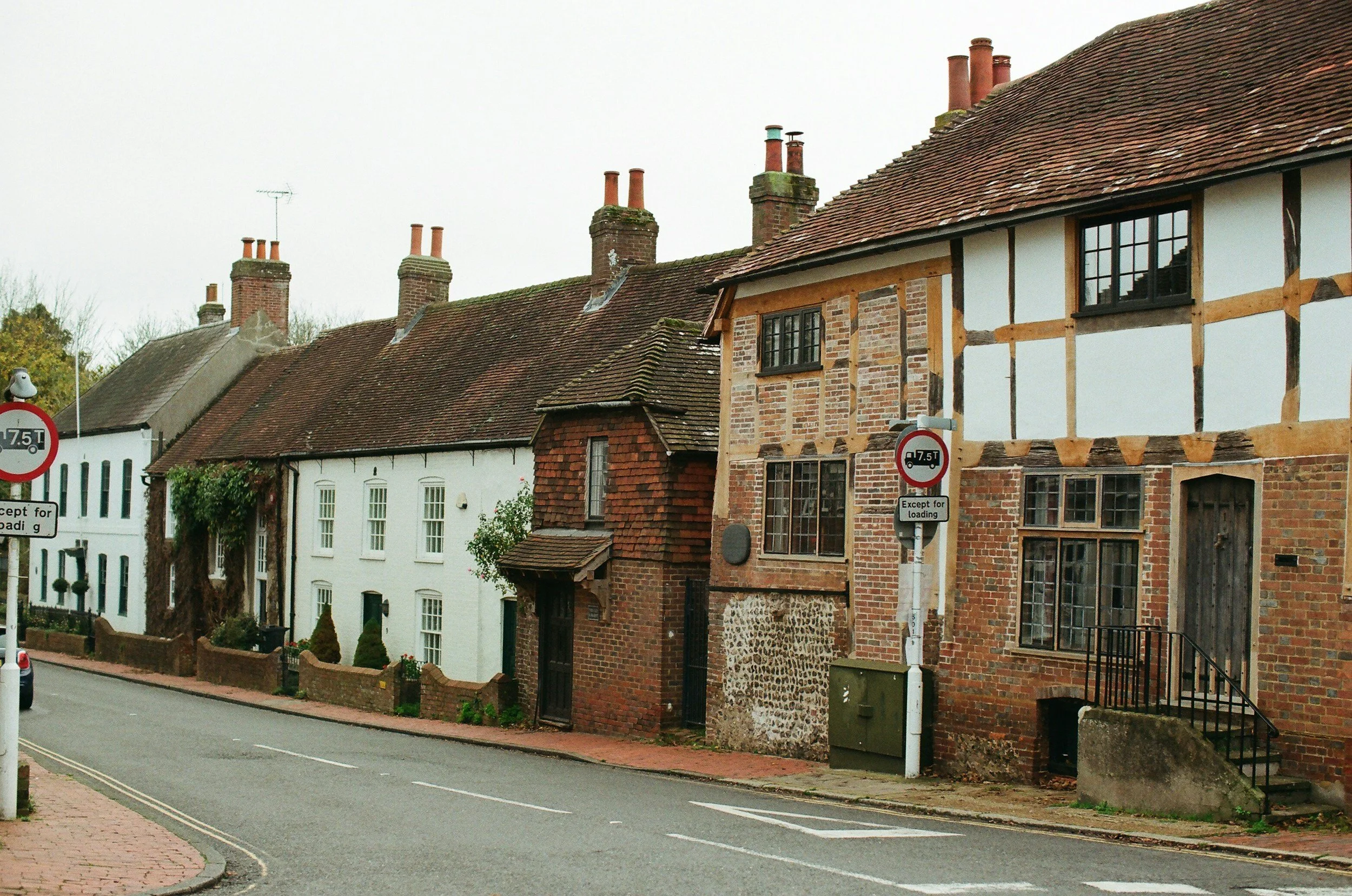
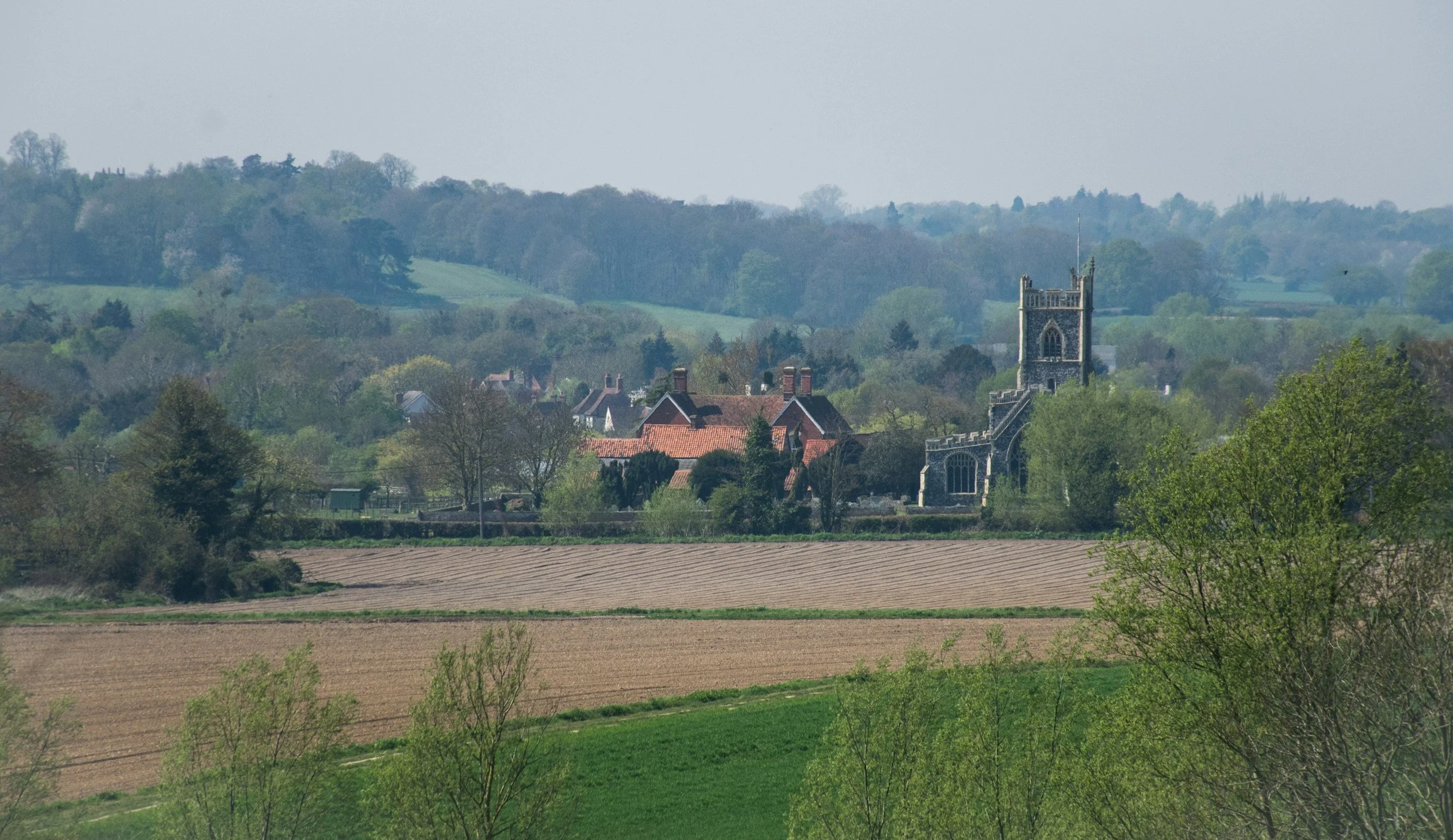
Drive the lanes between Newmarket and Bury St Edmunds in October and you pass through some of the most quietly beautiful country in East Anglia. Paddocks give way to beech hangers and flint churches, and villages seem to have arranged themselves around a green, a pub and a very good kitchen garden. Houses here were built for this kind of weather. They have deep window seats, generous fireplaces and boot rooms that have seen a century of muddy riding boots. They come into their own as the evenings draw in.
Inside, the season calls for a change of pace. Linen gives way to wool, and the first fire of the year is lit with some ceremony. Kitchens fill with the produce of the county: game from local estates, apples from old orchards, squash and the last of the runner beans. A well-kept country house in autumn smells of woodsmoke and baking, with a faint note of damp leaves carried in on someone's coat.
Outside is where autumn really shows its hand. A garden in this corner of Suffolk does not so much fade as burn out gloriously. Acers and dogwoods catch fire, grasses turn to bronze and seed heads, left standing, glitter with frost on the first cold mornings. The best gardeners resist the urge to tidy everything away. Borders are cut back with a light hand, leaving structure for winter and food for the birds, and generous mulch goes down before the ground hardens.
For inspiration, there is nowhere better than Ickworth, twenty minutes east. Its Italianate garden, clipped and formal, sits against a parkland that turns every shade of copper and amber through October. Walking beneath the old oaks as the leaves come down, it is hard not to begin planning next year's planting.
Closer to home, autumn is also when a house quietly asks for attention. Timber doors swell and stick as the air grows damp. Gutters fill with leaves overnight. Tender plants that thrived all summer need bringing in or wrapping up before the first frost. None of it is dramatic, but for a house that sits empty between visits, these small things are the difference between a winter that passes unnoticed and a spring that starts with a list of repairs.
It is work that Louie, who looks after our clients' homes across Newmarket, Bury St Edmunds and the surrounding villages, knows well. Autumn is his busiest season: clearing gutters before the storms arrive, easing doors that have begun to stick and putting gardens to bed so they wake well in spring. For owners who would rather spend their weekends on the Heath or by the fire than up a ladder, it is a reassuring thing to know someone local is keeping watch.
By November the racing will have moved on, the leaves will be down and the Heath will be white with frost at dawn. The houses of Newmarket will settle into winter as they always have: fires lit, gardens resting and doors closing firmly against the cold.
Suffolk Concierge cares for second homes in Newmarket, Bury St Edmunds and the surrounding villages. To arrange a visit, contact louie@suffolkconcierge.co.uk