

By Saturday afternoon, three Suffolk coast towns will throw the switch inside about an hour of each other. Southwold closes its high street at 2pm this Saturday, 28 November, fills it with stalls and carol singing through the afternoon, and at 5pm someone steps onto the Town Hall balcony and the whole street turns gold. Felixstowe and Lowestoft do more or less the same thing, the same afternoon — though Woodbridge and Framlingham got there first, lighting up on Thursday and Friday night.
It's a nice piece of choreography, even if nobody planned it that way. Every small town along this stretch of coast picks its one evening a year to do this properly: close the road, get the brass band out, let a child from the local primary school do the honours, and for a few hours turn the place into something closer to a stage set than a market town. If you've ever stood on a Suffolk high street on switch-on night with something hot going cold in your hand, you'll know the particular noise a few hundred people make when the lights actually come on — a slightly surprised cheer, as though nobody was entirely sure it would work.
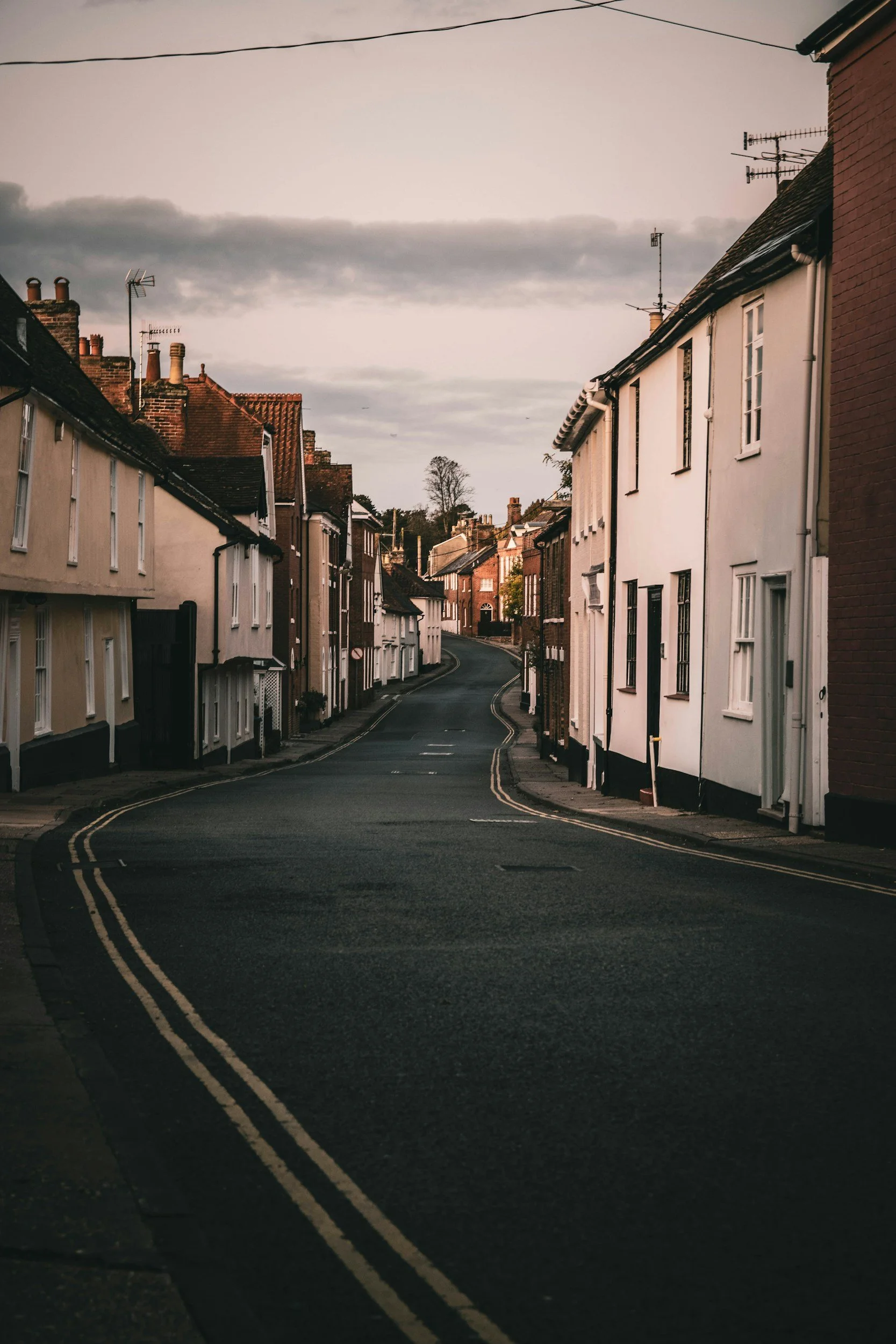
It's also, quietly, one of the more useful markers in the Suffolk coast year. Switch-on weekend tends to land close to the point where the clocks, the temperature and the daylight all agree that winter has properly started. The towns get their one bright weekend. Everything around them — the lanes off the high street, the houses a few roads back from the seafront — starts to go the other way. Shutters stay closed longer. Nobody's popped the heating on "just to check it's working." The first proper frost of the year tends to arrive within a week or two either side of switch-on, which is a less festive way of marking the same turn in the season.
That's really the useful bit, if you own a second home along this coast and aren't going to be in it much before Christmas. The high street gets its evening in the spotlight; your house, two streets back, gets forgotten about by everyone except the postman, who keeps delivering anyway. A loose gutter after the first proper gale, a boiler that's dropped out of its frost setting, a parcel sitting on the step for a week signalling rather clearly that nobody's home — none of it is dramatic, all of it is easier dealt with on day two than week six.
We're not precious about it. Most weeks, keeping an eye on a house means exactly that: a look round, lights on a timer checked, bins out on the right day, someone local who'd notice if something wasn't right. It's not a big system. It's closer to what a good neighbour used to do, before everyone's good neighbour became a second-home owner too.
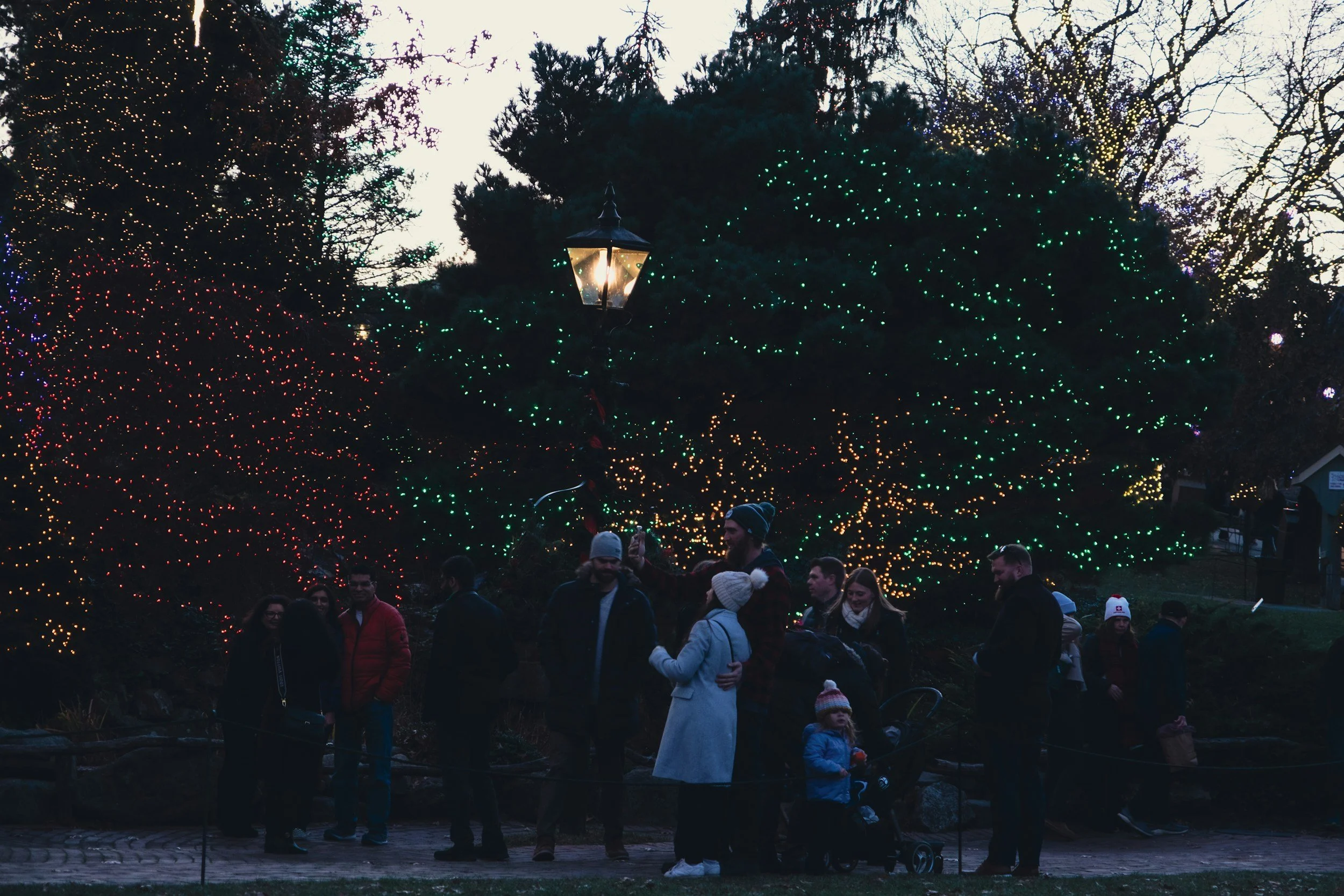
So if you've got a house on this stretch of coast and you're reading this from somewhere else entirely — enjoy whichever town's switch-on photos turn up on your local Facebook group this week. And if you'd like someone to go and have a proper look at the place while the rest of us are standing in the cold watching the lights go on, that's exactly the kind of thing we do.